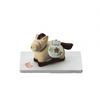
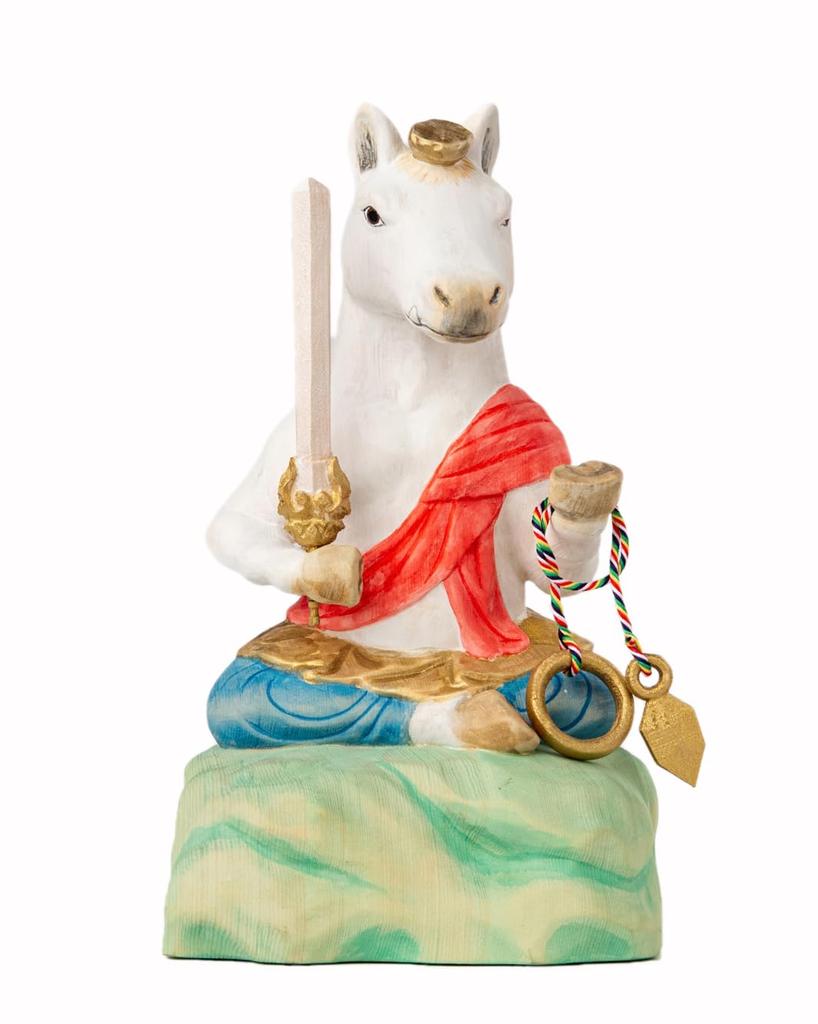
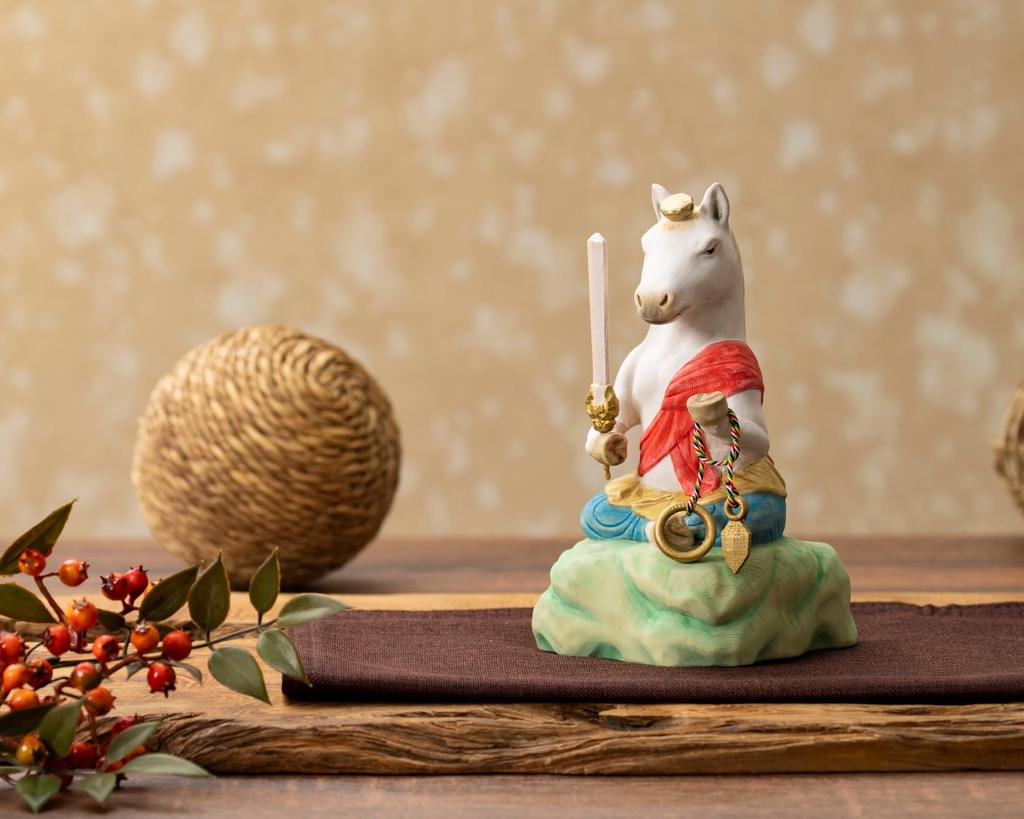
Cat Buddha (Nyanbuddha) Zodiac Ornament - Original Sculpture and Reproduction Supervised by Butsya Sakai - Cute Cat Buddha Series
Size: (approx.) Main body - H 163 x W 94 x D 90 mm Weight: Main body - 255 g Materials: Main body and accessories - Hinoki, lasso - Rayon Wood carving (pale color finish)
◆Product contents: Main body, accessories, sword charm sticker, prayer certificate, presentation box. Planning - Japan (MORITA Co., Ltd.), Prototype - Japan (Sakai Go Buddhist sculptor), Manufacturing - China, Prayer - Japan (Mitsumaki Fudoson).
Note: All Gofudouson statues delivered to you are Mitsumaki Fudoson statues, and have undergone goma (fire) rituals to ward off disasters and bring good fortune. These statues are made from natural wood, so you cannot choose the color or grain.
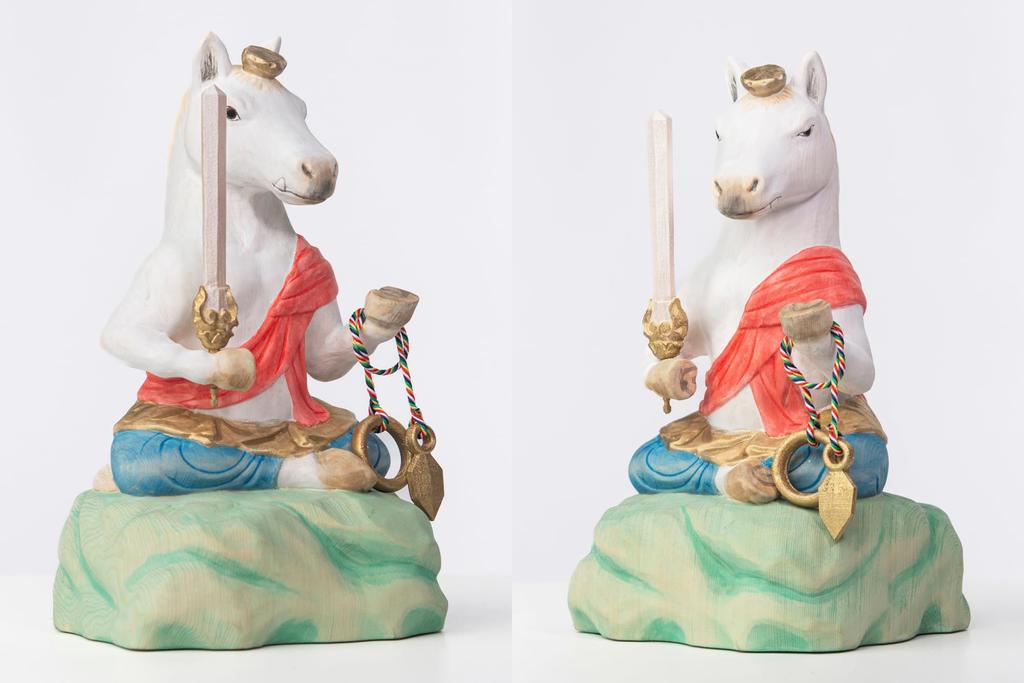
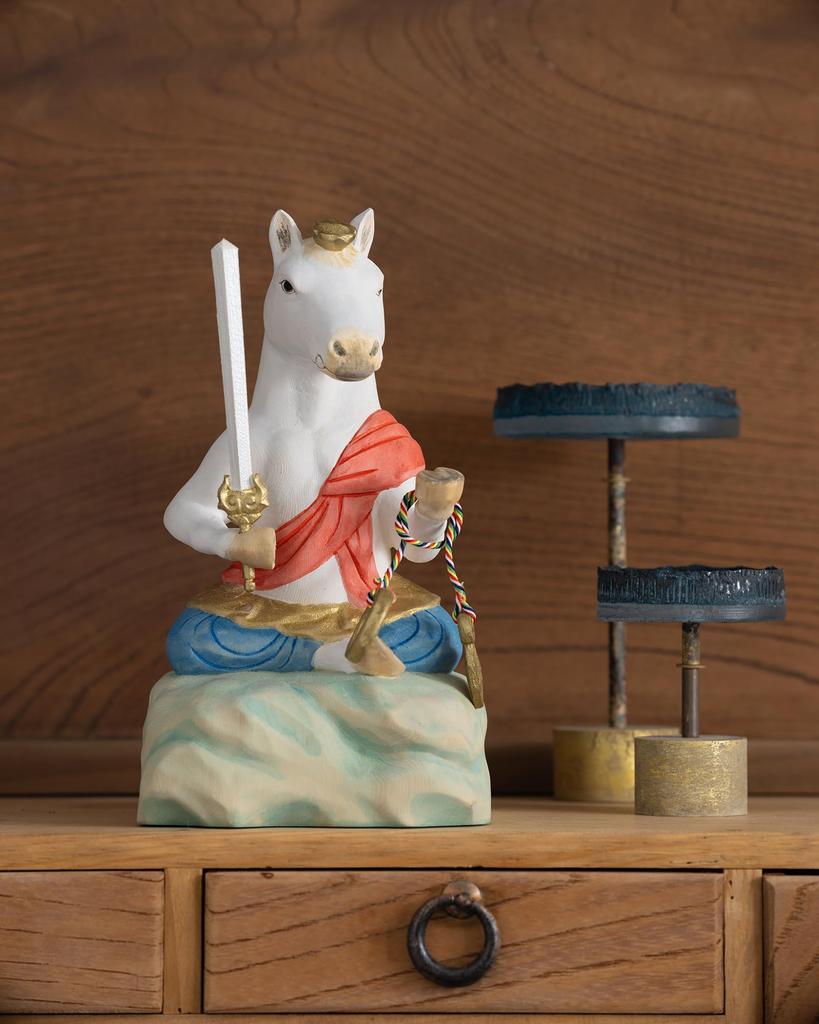
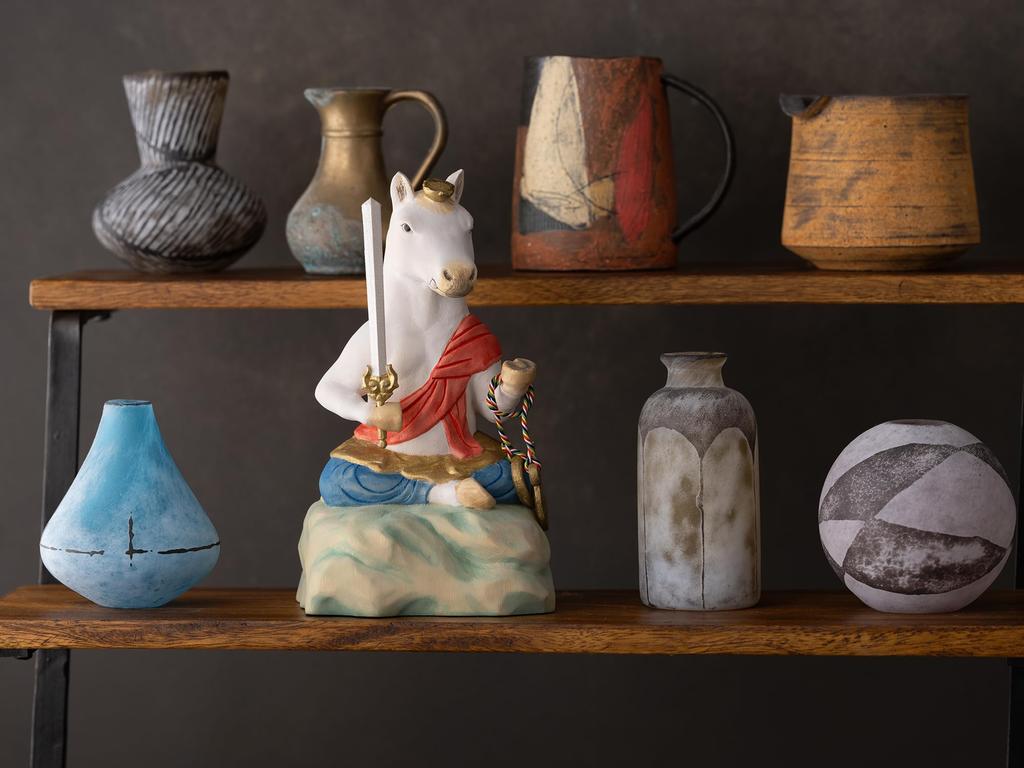
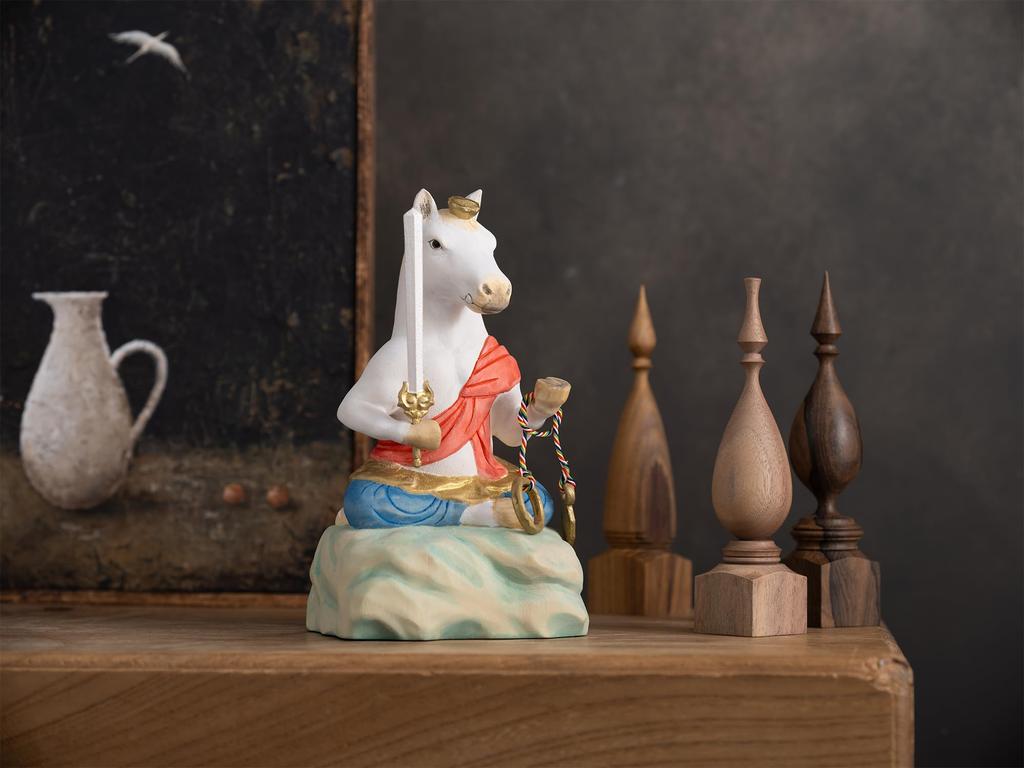
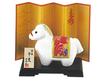
This auspicious zodiac ornament, which prays for good fortune and protection from misfortune in the Year of the Horse, Reiwa 8, was sculpted by Go Sakai, a popular Buddhist sculptor known for his "Cat Buddha." Carefully hand-painted in pale colors, the powerful yet adorable figure of Acala makes this a fitting zodiac ornament for the protection, peace, and good fortune of the Horse. Please use it as a lucky charm to pray for happiness in the Year of the Horse.
In ancient Japan, it was believed that bringing the year's zodiac ornament into one's home would bring happiness for the rest of the year. Amidst the gloomy days of prolonged price hikes, currency problems, and a lack of economic prosperity despite the touted wage increases, the zodiac talisman "Yakuyoke Gono Fudoson" is presented with the hope that the coming new year will be bright and full of hope. Horses have long been considered sacred horses offered in Shinto rituals, symbolizing blessings and good fortune. They also served as war horses, leading the way to victory in battle. They have also been cherished by peddlers and farmers as a source of prosperity. Meanwhile, Tendo City, Yamagata Prefecture, famous for its shogi (Japanese chess) pieces, is home to a lucky charm called "Hidariuma," a piece with the character for horse inscribed on its surface, reversed from side to side. By reversing the character for "uma," it is meant to represent the joyful meaning of "mau (dance)." The colors of the Gofudouson's body and robe are reminiscent of a sacred horse, and the fact that its head is slightly turned to the left is a design that symbolizes a "left-handed horse."




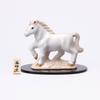


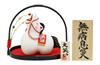
![Blue Fortune Horse (Swift Horse) [35] 2026 Reiwa 8 Zodiac Horse New Year Ornament Auspicious Charm](https://img.joomcdn.net/3b4dd058aa2bb3db16dccea771a59926f3fdf43b_100_100.jpeg)
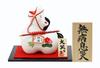
![Yakushigama Nishikisai Good Luck and Longevity Zodiac Clay Horse Zodiac New Year Lucky Charm (Yakushigama) Bell, [137-Horse], Ornament,](https://img.joomcdn.net/3e870f4d1a1d8f93f80d36dc72f99ac347588956_100_100.jpeg)

![yakushigama Nishikisai Lucky Horse (Seven Gods of Fortune) [64] 2026 Reiwa 8 (2026) Zodiac Horse New Year Ornament Auspicious Charm](https://img.joomcdn.net/aac249ffb8c9fbd3222dad1e016f1540bf7727ab_100_100.jpeg)
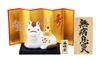
![[Amazon.co.jp Exclusive] Yakushi Kiln 2026 Zodiac Figurine, Horse, Year of the Horse, Nishiki-sai Design, Good Luck, Horse (with Good Luck Sticker)](https://img.joomcdn.net/723dcbb548480ede40424ad025deac77b9436da9_100_87.jpeg)